News

How Does a Jump Box Improve Strength, Power, and Functional Training?

2026-02-09 0 Leave me a message

Article Abstract

A jump box is a foundational piece of fitness equipment used across strength training, athletic conditioning, and functional workouts. From improving explosive power to supporting safe, scalable plyometric exercises, jump boxes address multiple training pain points faced by athletes, gyms, and home users. This article explains how a jump box works, what problems it solves, how to choose the right model, and how it fits into modern training programs, helping buyers and users make informed decisions with confidence.

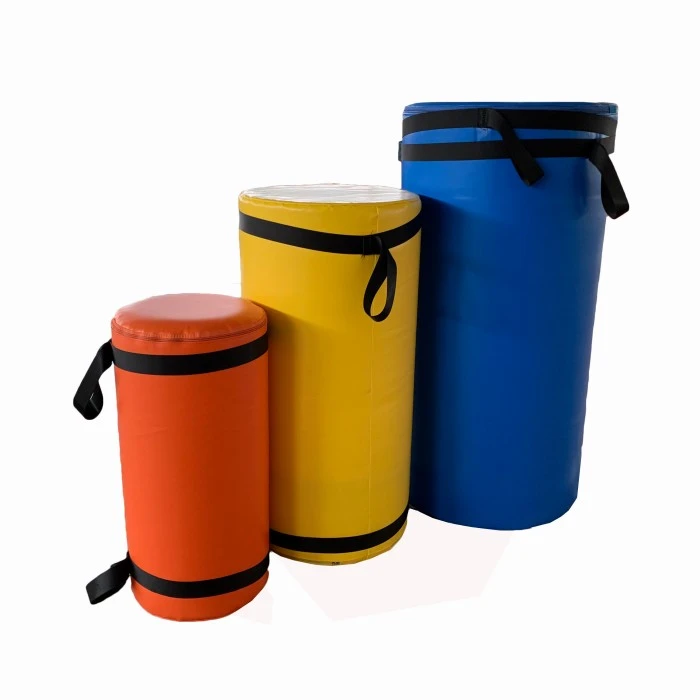
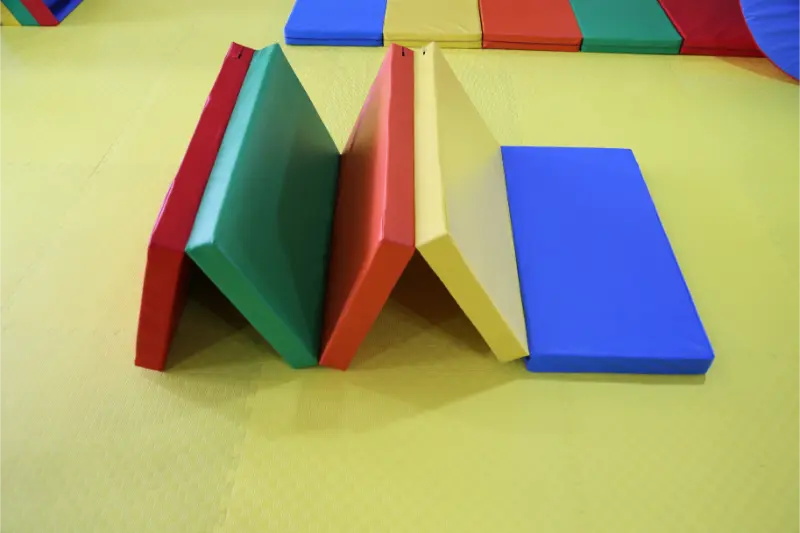
Small Four section Jump Box

Table of Contents

  • Training Challenges That Jump Boxes Help Solve
  • What Is a Jump Box and How Does It Work?
  • Core Benefits of Using a Jump Box
  • Common Jump Box Training Applications
  • Jump Box Specifications and Key Parameters
  • How to Choose the Right Jump Box
  • Safety, Stability, and User Confidence
  • Frequently Asked Questions
  • Conclusion and Contact Information

Training Challenges That Jump Boxes Help Solve

Many fitness enthusiasts and professional athletes encounter similar challenges when building lower-body strength and explosive power. Traditional strength exercises often lack dynamic movement, while advanced plyometrics can increase injury risk without proper equipment.

  • Limited vertical power development from static exercises
  • Difficulty scaling workouts for different fitness levels
  • Increased joint stress during high-impact training
  • Lack of versatile equipment for multi-purpose workouts

A well-designed jump box directly addresses these concerns by providing controlled elevation, stable landing surfaces, and adaptable training heights.


What Is a Jump Box and How Does It Work?

A jump box is a raised platform used primarily for plyometric and functional exercises. It allows users to jump, step, or drive upward against gravity, then land safely on an elevated surface. The height of the box increases movement intensity without requiring heavier external loads.

By shifting focus from weight to movement mechanics, jump boxes promote power generation, coordination, and balance while reducing repetitive ground impact.


Core Benefits of Using a Jump Box

  • Explosive Power Development: Encourages fast-twitch muscle activation and vertical force output.
  • Joint-Friendly Training: Landing on a box reduces impact stress compared to repeated floor jumps.
  • Progressive Difficulty: Different heights allow gradual performance improvement.
  • Full-Body Engagement: Activates legs, core, and stabilizing muscles.
  • Space Efficiency: Compact footprint suitable for gyms and home setups.

Common Jump Box Training Applications

Jump boxes are used across multiple training environments, from professional sports facilities to rehabilitation centers.

  • Vertical jump training for basketball and volleyball athletes
  • Explosive strength development in cross-training programs
  • Lower-body conditioning for runners and field athletes
  • Step-up and mobility exercises for beginners
  • Agility and coordination drills in functional fitness

Jump Box Specifications and Key Parameters

Parameter Description
Material Foam, wood, or reinforced composite for durability and shock absorption
Height Options Multiple heights to support progressive training levels
Surface Texture Non-slip surface to improve landing stability
Weight Capacity Designed to support high-impact athletic use
Footprint Compact design for space-efficient training areas

How to Choose the Right Jump Box

Selecting the right jump box depends on user experience level, training goals, and environment. Beginners often benefit from softer surfaces and lower heights, while advanced athletes may require firmer platforms with higher load tolerance.

  • Match box height to current jumping ability
  • Choose materials based on safety and noise control
  • Ensure the base is wide enough to prevent tipping
  • Consider multi-height designs for long-term use

Safety, Stability, and User Confidence

Safety is a primary concern in plyometric training. A quality jump box offers a stable structure, controlled landing surface, and sufficient friction to prevent slipping. These features help users focus on movement quality rather than fear of injury.

Consistent use of a properly designed jump box builds confidence, allowing athletes to push performance boundaries while maintaining controlled mechanics.


Frequently Asked Questions

Is a jump box suitable for beginners?

Yes. With appropriate height selection and step-based movements, beginners can safely build strength and coordination before progressing to full jumps.

Can jump boxes reduce injury risk?

When used correctly, jump boxes help manage landing forces and reduce repetitive impact on joints compared to floor-based plyometric drills.

How often should jump box training be included?

Most programs incorporate jump box exercises one to three times per week, depending on training intensity and recovery capacity.


Conclusion and Contact Information

A jump box is more than a simple platform—it is a versatile training tool that improves power, coordination, and functional strength across a wide range of fitness levels. By addressing common training limitations and offering scalable progression, jump boxes have become essential equipment in modern workout environments.

For durable, well-designed jump box solutions trusted by training professionals, XinOuTai provides products engineered for performance and safety. To explore options or discuss your specific training needs, please contact us and connect with the XinOuTai team for tailored support.

Related News
Leave me a message
X
We use cookies to offer you a better browsing experience, analyze site traffic and personalize content. By using this site, you agree to our use of cookies. Privacy Policy
Reject Accept