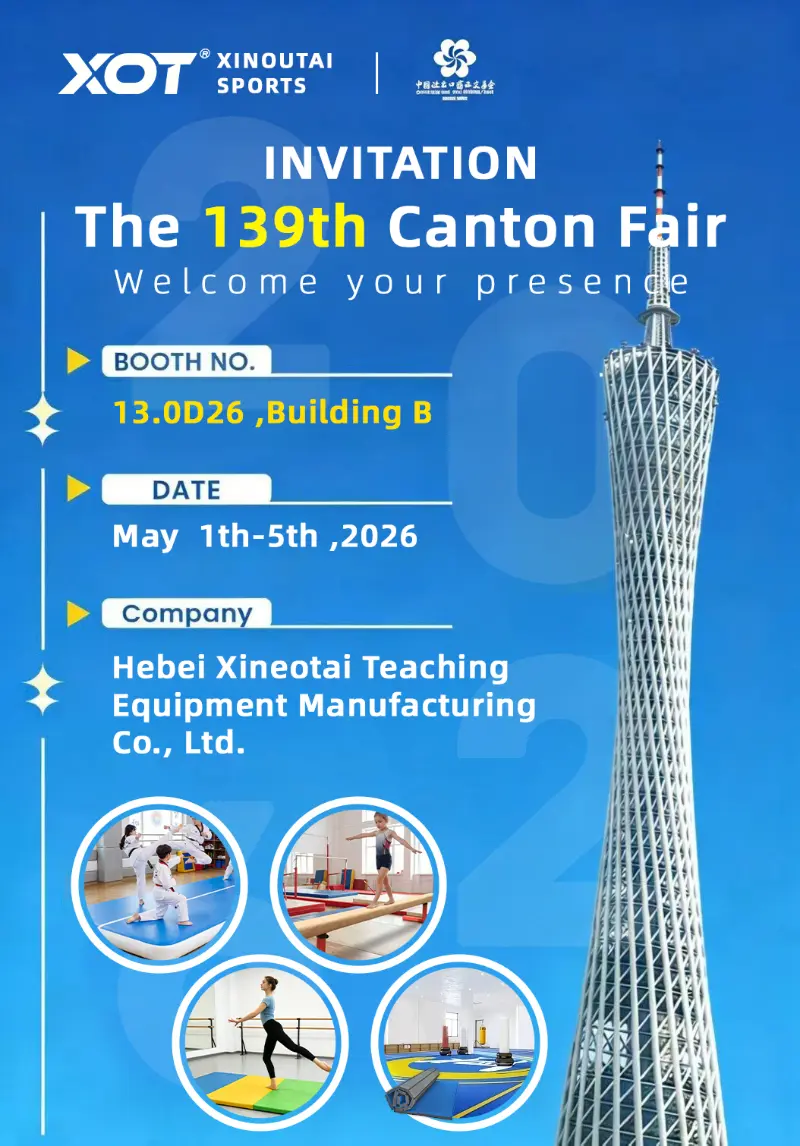
However, behind the impressive transaction figures, a phenomenon that cannot be ignored persists: "lack of innovation" and "homogenized competition" remain significant challenges for many traditional manufacturing enterprises. Despite strong official advocacy and the establishment of design innovation awards (CF Awards), products possessing truly disruptive technology or original design are still rare among the vast array of exhibits.
I. The Official Narrative: Innovative Design as a Banner for Breakthrough
According to official reports, this session of the Canton Fair introduced nine new exhibition zones for the first time, focusing on areas like smart wearables and consumer drones, showcasing "new, green, and smart" products. Over 32,000 enterprises participated, with about 3,900 making their debut. Numerous reports highlighted that design innovation has become key for companies to break through homogeneous competition and explore overseas markets. For instance, some enterprises have deeply integrated Chinese aesthetics with modern design, allowing products with original Chinese-style designs to gain growth in international markets.
II. The Real Dilemma: "Micro-Innovation" Under the Shadow of Homogenization
In contrast to the spotlight on star products, the phenomenon of product homogenization remains severe in many traditional manufacturing sections. A person in charge of a design firm specializing in kitchen appliances noted: "Initially, it was mainly some larger companies that approached us. But in recent years, more and more small and medium-sized manufacturers have started to value product appearance design. They used to focus on batch-produced, low-cost items, but now they also realize that homogenization is becoming increasingly serious, and appearance is the customer's first impression." This statement reveals the current reality for many enterprises' innovation path: moving from neglecting design to valuing "micro-innovation" in appearance. While this is progress, it remains distant from core technological or business model innovation.
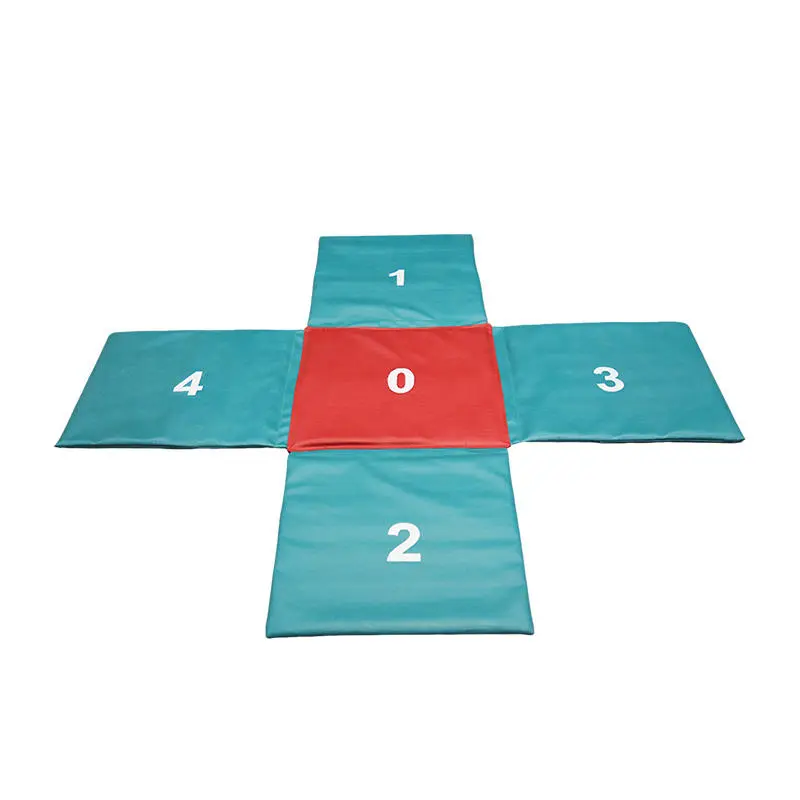
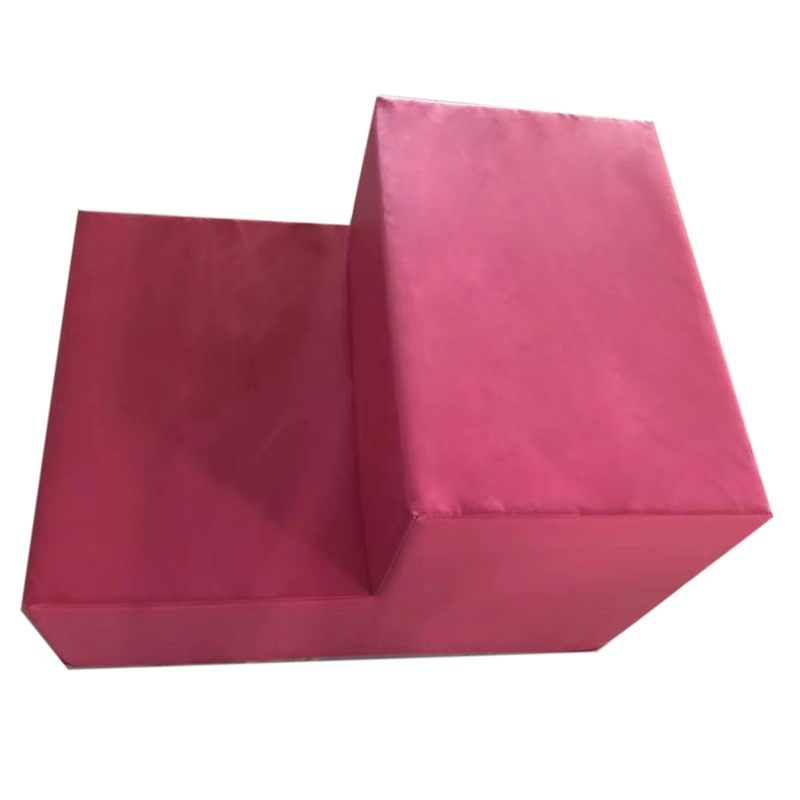
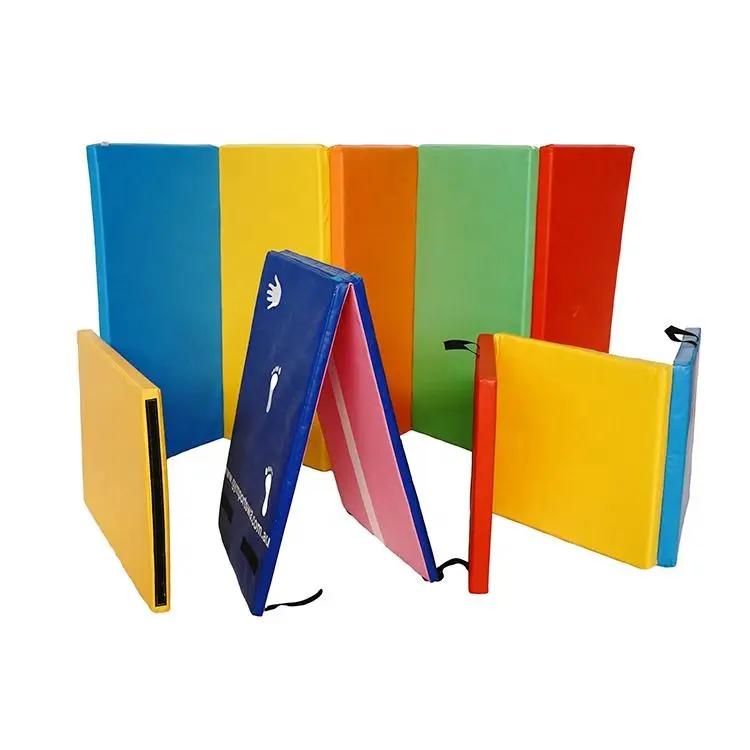
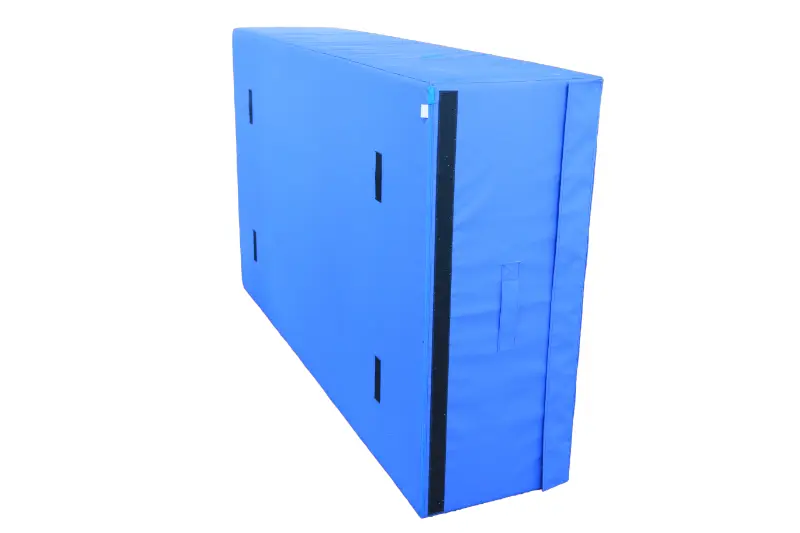
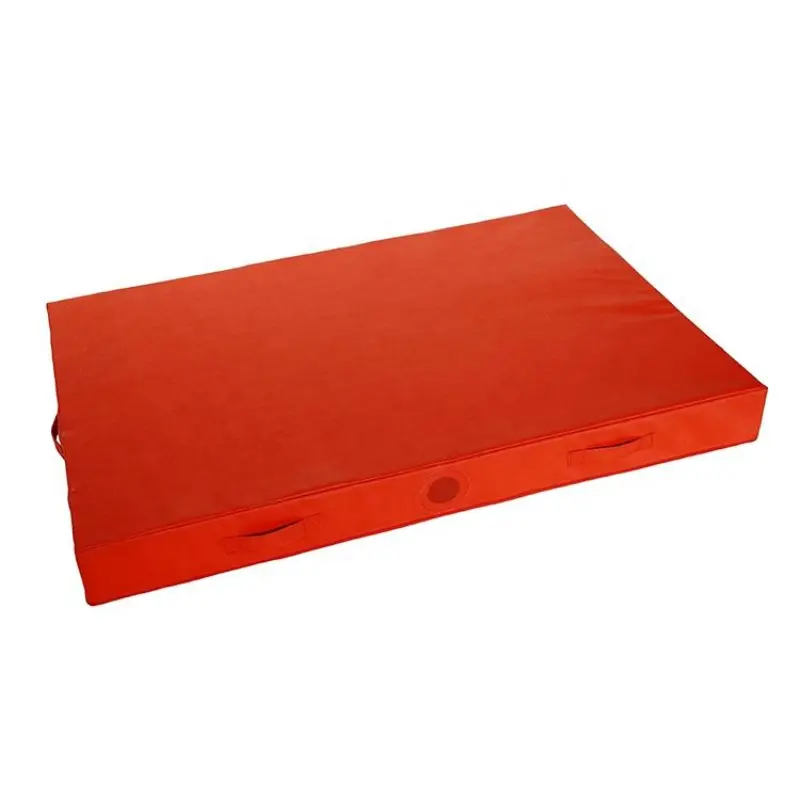
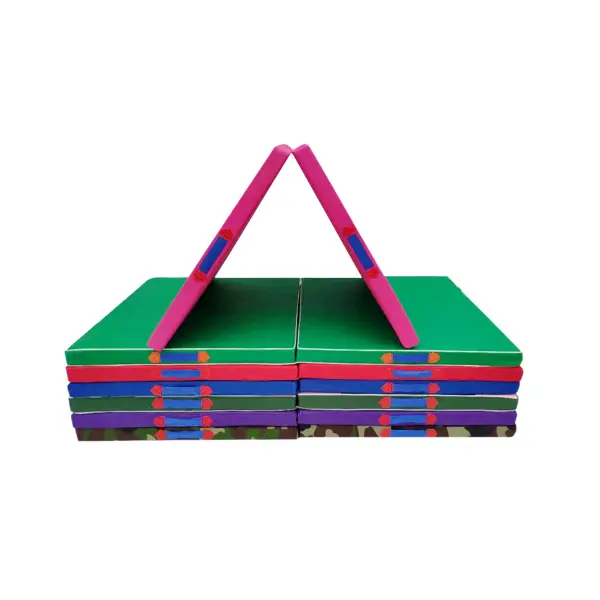
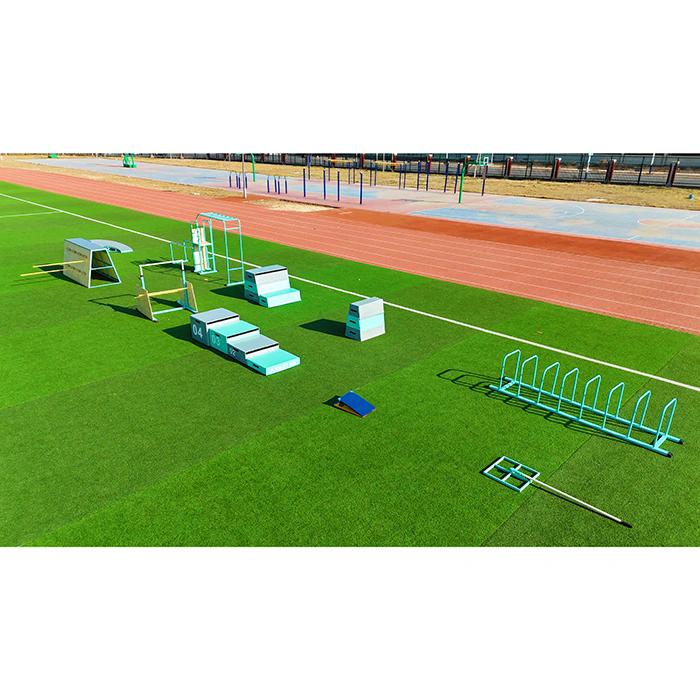
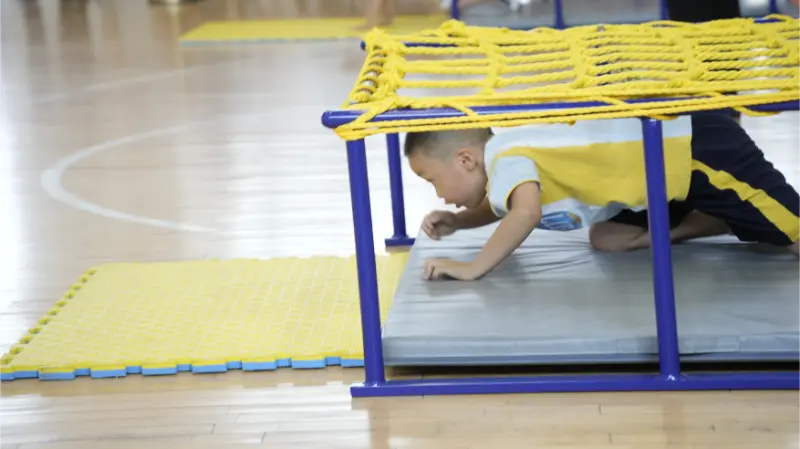
For many small and medium-sized exhibitors, so-called "innovation" often stays at the level of simple additions in color, style, or function. In categories like children's sports equipment, home goods, and hardware tools, products from different brands show minimal differences in core functionality and material application, with competition often ultimately devolving into price wars.
III. The Buyer's Perspective: Increasing Difficulty in Finding "Differentiated Value"
A seasoned European buyer remarked that he attends the Canton Fair every year but finds it increasingly difficult to discover products that truly stand out. "Many products look very similar. We have to spend more time filtering, or turn to factories that can provide customized solutions and have R&D capabilities for in-depth cooperation." This feedback represents the sentiment of a portion of international buyers. As the cost advantage of "Made in China" gradually diminishes, a unique brand story, patented technology, or innovation that deeply meets the needs of the target market becomes fundamental to securing orders.
IV. The Path Forward: From "Manufacturing Exports" to "Creative Exports"
The results of the 139th Canton Fair prove that the completeness and efficiency of China's supply chain remain irreplaceable. The massive flow of visitors and transaction volume are a testament to confidence. However, it also acts as a mirror, reflecting the growing pains in China's foreign trade transformation from "scale expansion" to "quality-led growth."
The real challenge lies in how to upgrade the Canton Fair from a vast "marketplace" to a global hub for "creativity" and "solutions." This requires not only increased corporate investment in R&D and the courage for forward-looking layout, but also the synergistic upgrading of the entire industrial chain, from design and materials to marketing services. When more enterprises are no longer content to merely showcase "what I can produce," but confidently present "what value I can create," can the brand image of "Made in China" achieve a fundamental leap forward.