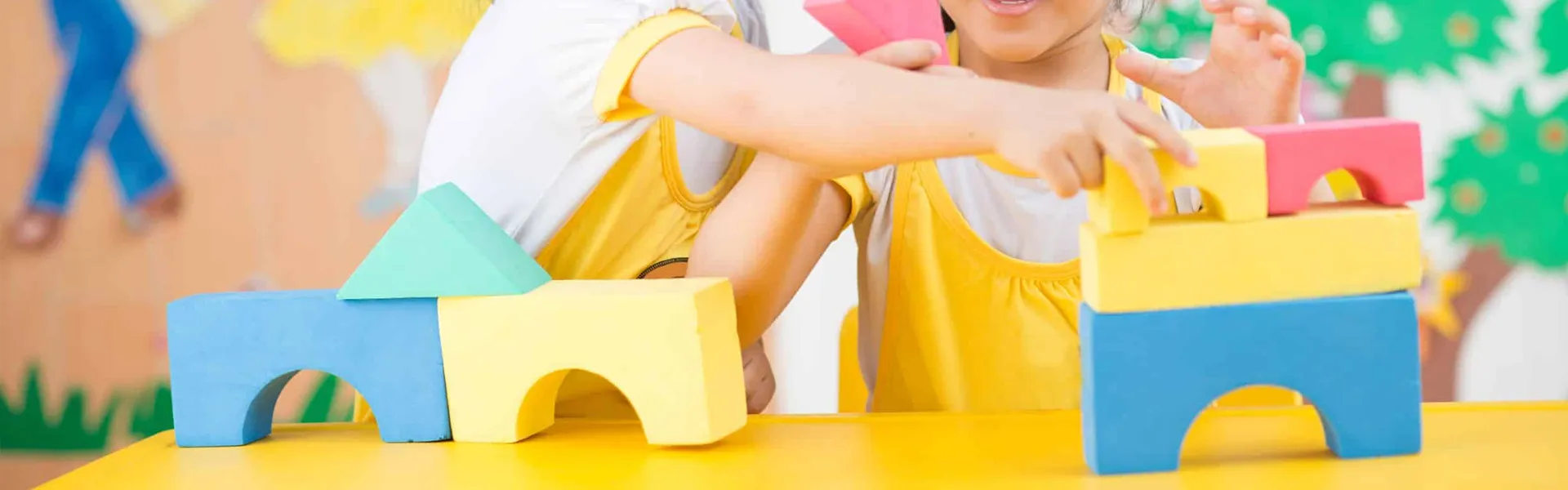
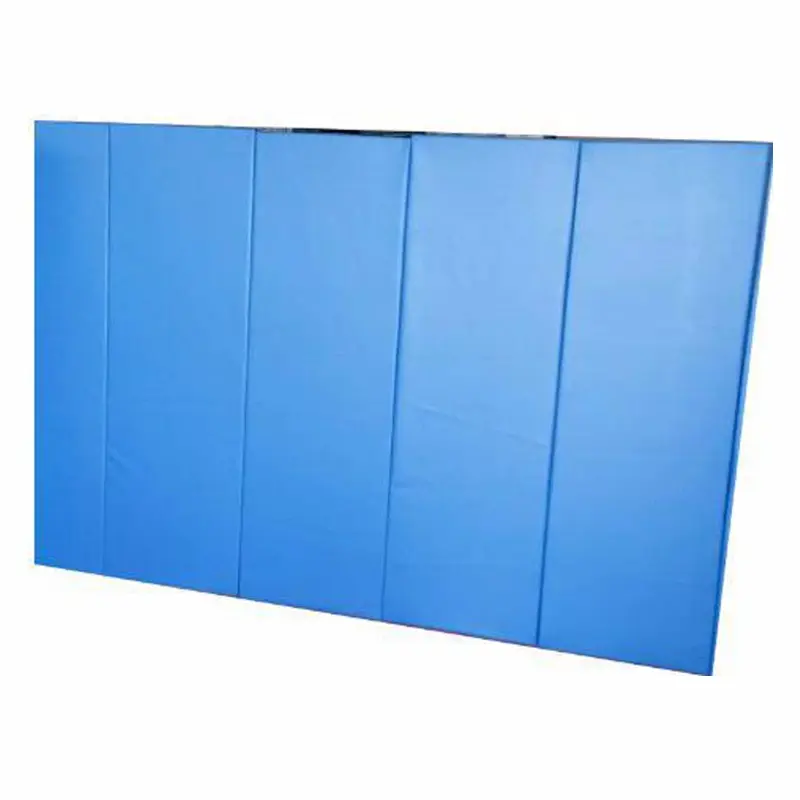
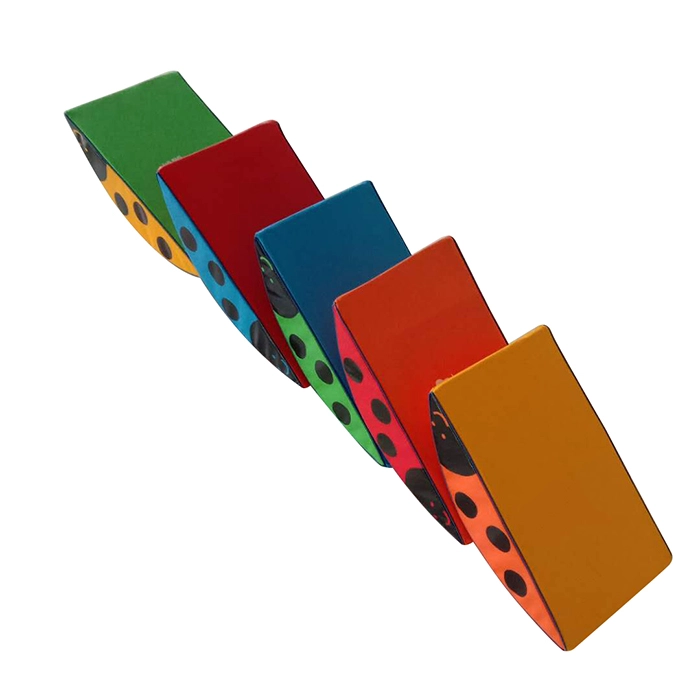
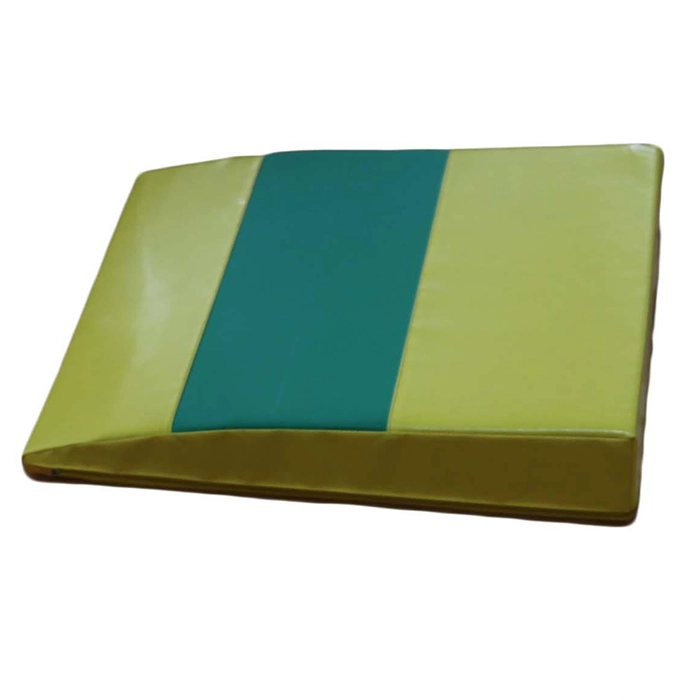
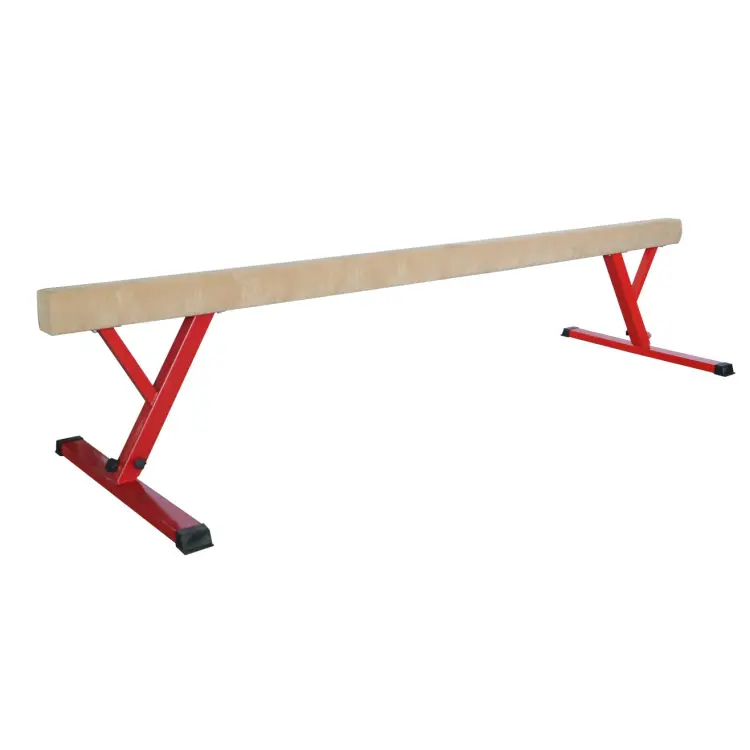
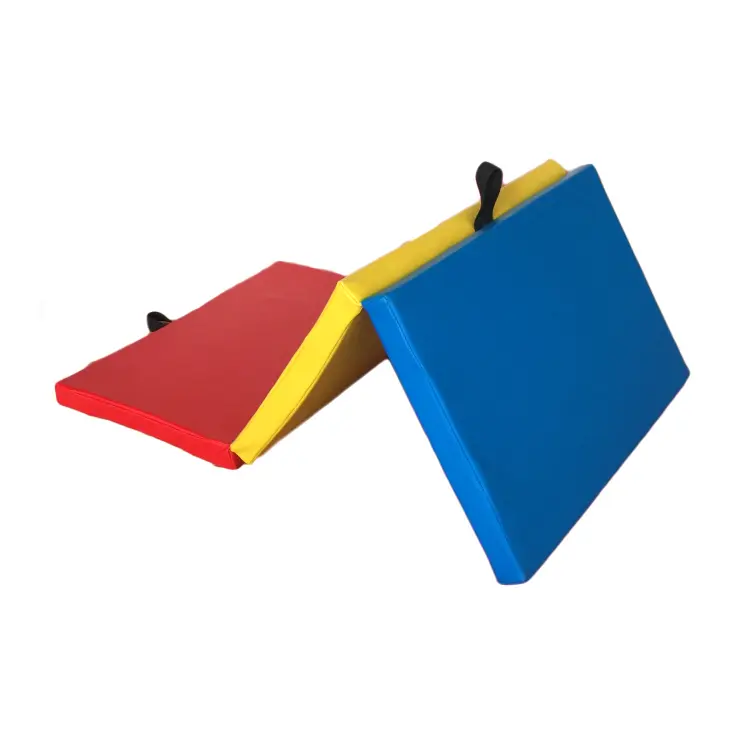
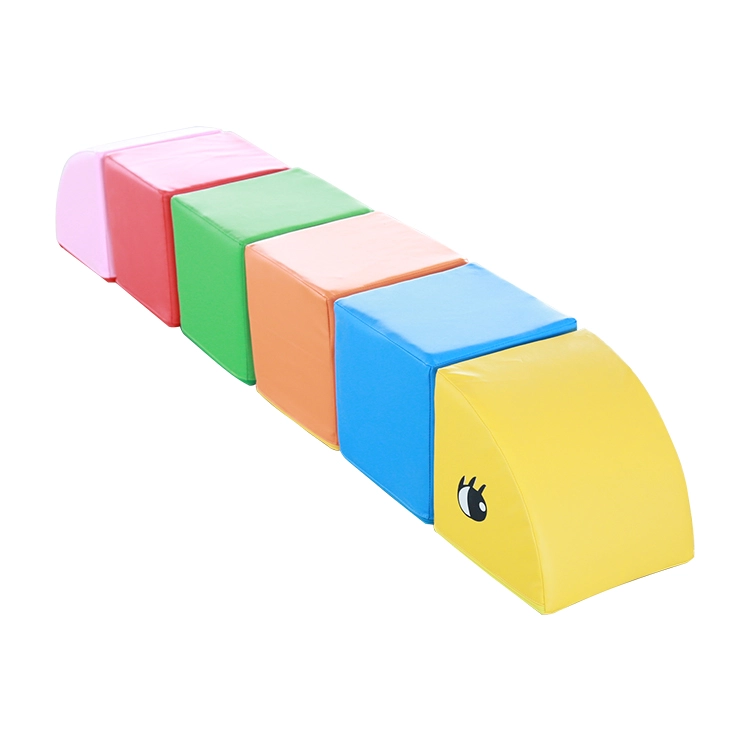
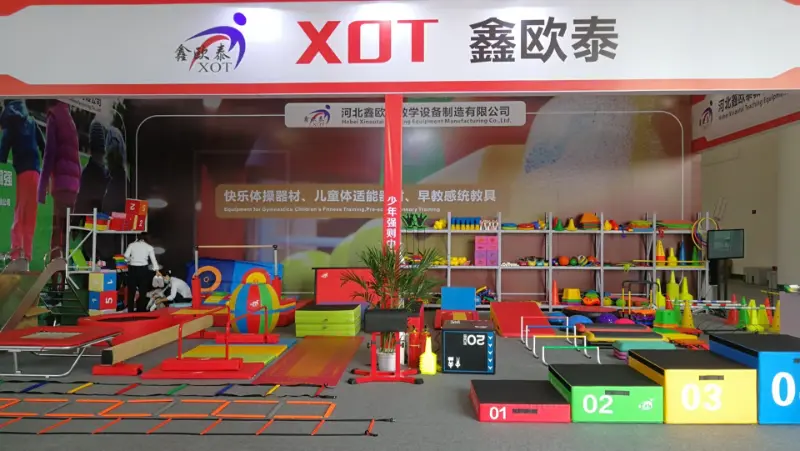
Children’s fitness environments are evolving from simple play areas into structured spaces that encourage movement, coordination, confidence, and active learning. Schools, childcare facilities, indoor recreation centers, community fitness projects, and professional training venues are increasingly looking for equipment that combines physical challenge with practical safety considerations. Monkey Bars and Mats offer a useful combination because climbing activities can be paired with protective surfaces to create a more complete movement environment.
The development of modern children’s equipment is closely connected with changes in educational and recreational concepts. Instead of focusing only on entertainment, facility designers are considering how different activities can support balance, upper-body strength, spatial awareness, grip development, and body control. Properly designed equipment can turn everyday movement into an engaging learning experience while allowing children to gradually build confidence through active participation.
Regular physical activity plays an important role in childhood development. Climbing, hanging, reaching, stepping, balancing, and moving across different structures require children to coordinate multiple parts of the body at the same time. These activities can encourage children to understand how their bodies respond to different movements and environments.
Modern activity spaces therefore need more than visually attractive equipment. They require structures that encourage meaningful physical engagement while providing a controlled environment for supervised activities. This has encouraged manufacturers to develop products that combine functional movement opportunities with carefully considered safety features.
Climbing structures provide children with opportunities to develop physical skills through natural movement. Reaching from one bar to another requires grip control and coordination, while moving across a structure encourages children to plan their next movement. The challenge can also encourage persistence because children often repeat an activity as they become more comfortable with it.
Unlike passive entertainment, climbing activities require continuous participation. Children must control their bodies, respond to the structure, and make decisions during movement. This combination of physical and cognitive engagement makes climbing equipment a valuable component of well-planned activity environments.
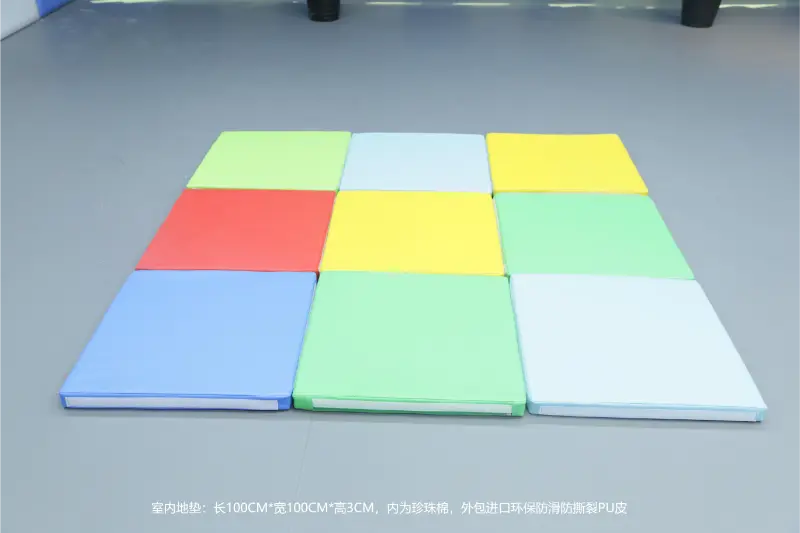
Safety is a fundamental consideration when designing areas where children climb, jump, or move at different heights. Protective flooring and soft surfaces can help create a more supportive environment around active equipment. Their role is not simply decorative; suitable materials can contribute to impact management, comfort, and overall usability.
When climbing structures are integrated with properly selected mats, facilities can create a more cohesive activity area. The surface should be appropriate for the intended application, easy to maintain, and compatible with the surrounding equipment. Careful planning of the entire environment is generally more effective than treating individual products as separate components.
| Equipment Element | Primary Role | Important Consideration |
|---|---|---|
| Climbing Structures | Encourage climbing, reaching, and upper-body movement | Structural stability and ergonomic design |
| Protective Mats | Provide a supportive surface around activity areas | Material performance and surface durability |
| Integrated Activity Zones | Combine different movement experiences | Layout planning and supervision requirements |
| Modular Components | Support flexible activity configurations | Compatibility and installation convenience |
Children’s equipment is frequently exposed to repeated movement, physical contact, cleaning procedures, and changes in operating conditions. Material performance therefore has a direct influence on product reliability. Manufacturers need to consider factors such as surface resilience, structural strength, cushioning characteristics, and resistance to everyday wear.
Protective materials should also provide a comfortable surface for children during different activities. Soft components need to balance cushioning performance with shape retention, while structural components need to maintain stability during repeated use. Consistent material selection and production control help create products that perform reliably in demanding environments.
Effective children’s fitness equipment requires more than a simple combination of metal frames and soft materials. Product development involves structural design, material selection, manufacturing processes, connection methods, and quality inspection. Each element contributes to the final performance of the equipment.
Professional manufacturers evaluate how children interact with equipment during actual use. This practical perspective helps improve dimensions, connection structures, protective components, and overall usability. The goal is to create equipment that supports active movement without introducing unnecessary complexity into daily operation.
Climbing equipment experiences dynamic loads as children move, hang, shift their weight, and transition between positions. A reliable structure must therefore be designed with appropriate stability and load-bearing considerations. Strong joints and carefully manufactured components help maintain structural integrity during repeated activities.
Installation also influences overall performance. The supporting environment, connection method, and installation procedure should correspond with the intended application. Professional guidance can help facilities establish suitable installation practices and reduce avoidable operational risks.
Children’s activity spaces vary considerably in size, purpose, and user profile. A childcare environment may prioritize simple movement activities, while a professional training facility may require more challenging configurations. Community projects may also need equipment that can adapt to different space layouts.
Flexible product systems make it easier to create activity areas that match these different requirements. Modular structures can be arranged according to available space and intended activities, allowing facilities to develop a more practical environment without relying on a single fixed configuration.
Monkey Bars and Mats can work particularly well as part of an integrated movement area. Climbing structures provide opportunities for active challenge, while protective surfaces help establish a more supportive environment around the equipment. When combined with other movement components, they can contribute to a diversified activity layout.
Customization is becoming an important consideration in professional equipment development. Facilities often have unique architectural conditions, activity objectives, and visual requirements. A flexible manufacturer can adjust product configurations according to the actual application instead of relying entirely on standardized designs.
Customization may involve structural arrangements, surface materials, component combinations, or appearance coordination. The appropriate approach depends on the intended environment and operational requirements. Effective customization should preserve functional performance while helping the equipment integrate naturally into the overall space.
Quality control should cover the complete manufacturing process rather than focusing only on final inspection. Material verification, production monitoring, structural checks, surface inspection, and finished-product evaluation all contribute to consistent quality.
For children’s equipment, attention to detail is particularly important. Small manufacturing inconsistencies can affect the appearance, comfort, or functional performance of a product. A systematic quality process helps manufacturers identify potential issues earlier and maintain consistent production standards.
Long-term experience allows manufacturers to understand how equipment performs in different environments. Feedback from educational institutions, fitness organizations, recreational facilities, and other application settings can provide useful information for product improvement.
Manufacturers that combine production experience with research and development can respond more effectively to changing market requirements. Continuous improvement may involve new materials, updated structures, improved manufacturing methods, or more adaptable product combinations.
The children’s fitness equipment sector is gradually moving beyond individual products toward complete activity environments. Facility operators increasingly consider how different pieces of equipment can work together to support varied movement patterns and age-appropriate challenges.
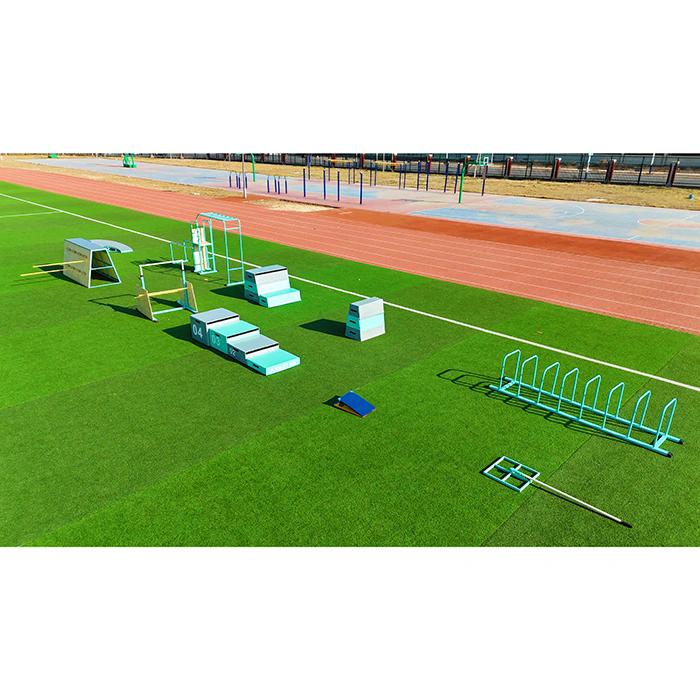
This integrated approach can make activity spaces more engaging and functional. Instead of creating isolated equipment areas, designers can connect climbing, balancing, crawling, jumping, and coordination activities into a coherent environment. Such planning encourages children to move between different challenges while maintaining a clear and organized layout.
Another important trend is the growing emphasis on design flexibility. Facilities need solutions that can accommodate changing programs and different user groups. Equipment that can be reorganized or integrated with additional components provides greater adaptability and can support long-term facility development.
Innovation in children’s equipment should always consider practical safety requirements. New designs can create exciting movement experiences, but they also need appropriate structural engineering, material selection, installation guidance, and maintenance procedures.
The strongest product development strategies balance creativity with technical responsibility. A visually appealing structure becomes more valuable when its design also supports durability, usability, and controlled movement. This balance is increasingly important as professional activity spaces become more sophisticated.
Regular maintenance is an essential part of responsible equipment management. Activity structures should be checked periodically for signs of wear, loose connections, surface damage, or other conditions that could affect normal operation.
Soft surfaces also require appropriate cleaning and inspection. Cleaning methods should correspond with the material specifications, while damaged components should be addressed promptly. Maintaining a clean and organized activity area can improve the overall experience for children and staff.
Good activity space design considers more than the equipment itself. Visibility, circulation, accessibility, supervision, cleaning, and maintenance should all be included in the planning process. When these elements are considered together, facilities can create environments that are easier to manage and more comfortable to use.
Professional manufacturers can contribute valuable experience during this process. Their understanding of product characteristics and application conditions can help organizations select suitable configurations and develop practical installation and maintenance approaches.
As the industry develops, manufacturers with comprehensive capabilities will become increasingly important. Product research, mechanical processing, soft goods manufacturing, quality management, sales, and service all contribute to the ability to deliver dependable equipment solutions.
Hebei Xinoutai Teaching Equipment Co., Ltd. has developed its business around safe and innovative play and fitness equipment. The company’s experience began with public fitness projects and later expanded into metalwork and soft mat production. Over time, Xinoutai strengthened its manufacturing capabilities, developed cooperation with gymnastics and parkour organizations, and continued improving its product designs through practical industry experience.
Today, the company operates an integrated business covering research, production, sales, service, mechanical processing, soft goods manufacturing, and related project support. Its commitment to technology, innovation, and quality provides a strong foundation for serving different children’s activity environments.
For facilities seeking dependable climbing structures, protective surfaces, and professionally developed movement equipment, Monkey Bars and Mats can form an effective part of a broader activity solution. With its long-term manufacturing experience and continued focus on product innovation, Xinoutai is positioned to support the development of safer, more engaging, and more adaptable children’s fitness spaces for markets around the world.
-